In brief
The strongest software partners learn how your business works, turn that understanding into a clear product vision, and give you something real to review early.Business owners often arrive at a software conversation with some scar tissue.
They paid a provider and received something that did not match what they pictured. A project ran for months without a live website or product to review. A team completed the requested feature list, yet somehow missed the business problem behind it.
These experiences make it hard to know what to trust the next time around. Portfolios and proposals have their place, but they do not tell you how a partner will think with you once the work starts. The more useful signals tend to appear in the questions they ask and in how quickly they make progress visible.
Choosing a software development partner is partly an evaluation of technical skill. It is also an evaluation of whether the team can understand an operation, communicate clearly, and translate an idea into something both sides can inspect together.
Why do software projects fail to match the business?
A feature list can make a project feel concrete. Add scheduling. Add customer accounts. Add reporting. Add notifications. The list may be accurate, but it rarely captures why those features matter or how they connect during a normal workday.
Two businesses in the same industry can use the same words for very different processes. An “inspection” might be a quick compliance check for one company and a two-hour documentation workflow for another. An “approval” might require one manager in a small office or several people across job sites, accounting, and ownership.
When a development team begins with the list and skips the operation behind it, they are forced to fill in those gaps themselves. The software may function exactly as specified and still feel wrong to the people using it.
This is how companies end up retraining a large staff around a poorly matched tool simply because the tool was built that way. The disruption can become more expensive than the original problem.
Our guiding principle at Lawlor Solutions is simple: software should fit the business. The business should not have to reshape its operation around software that never understood the work in the first place.
What should a software development partner ask in the first conversation?
The most meaningful signal in an early conversation is where the provider’s curiosity goes.
If the discussion jumps immediately into features, platforms, and technical preferences, important context may be getting lost. A serious partner should first ask about the business and the day-to-day operation.
Who does the work now? What happens before and after the troublesome step? Where does information come from? Who needs to make a decision? What gets copied by hand? Which delays are merely annoying, and which ones affect customers, revenue, or risk?
A business owner or product creator may already have a clear solution in mind. That clarity is useful, but the first idea is not automatically the best answer. A good partner can respect the owner’s vision while testing it against the way the business actually runs.
Those questions keep discovery grounded in the work and reduce the chance that a team spends months building the wrong thing efficiently.
How can you tell whether a provider truly understands your workflow?
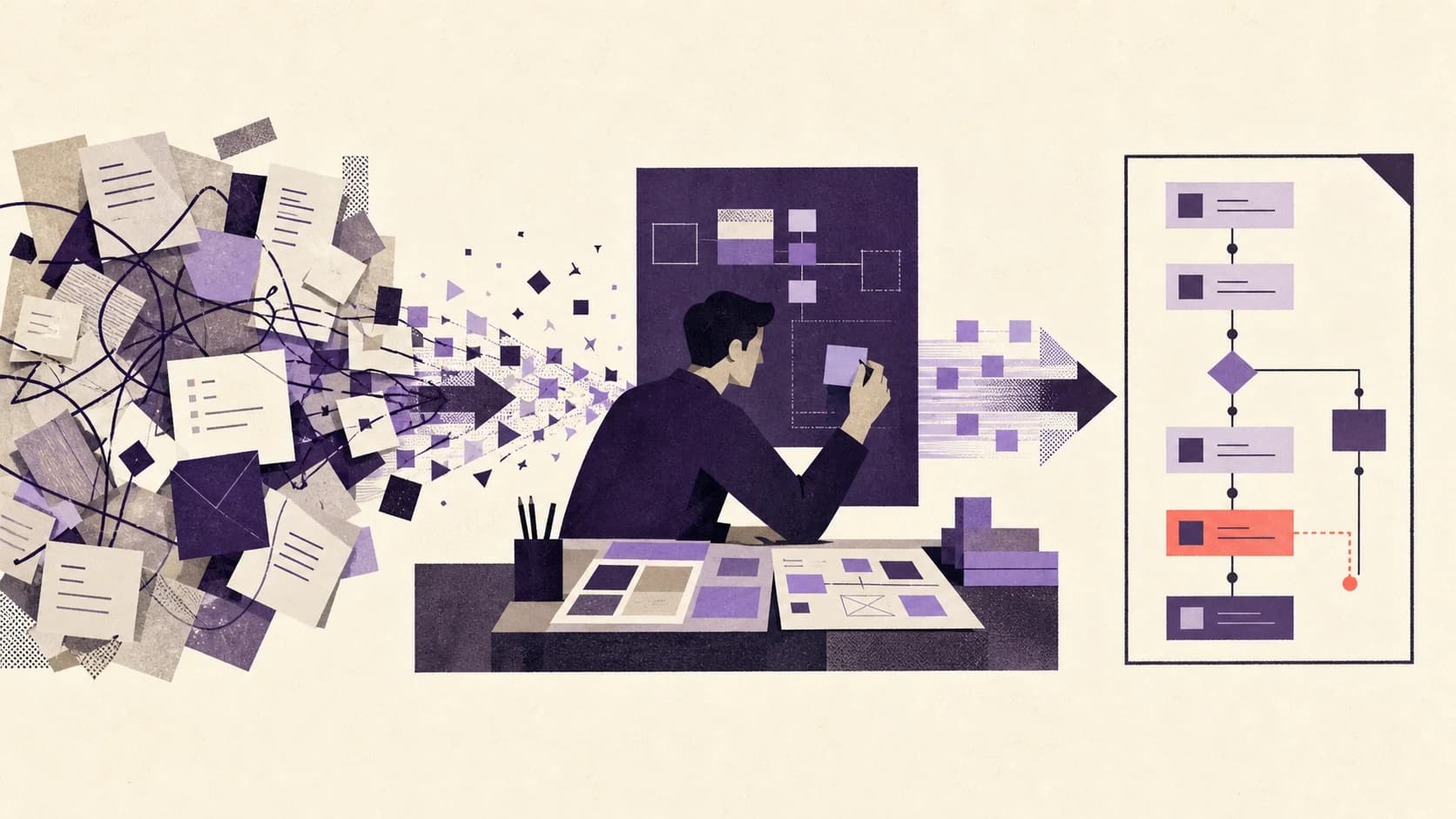
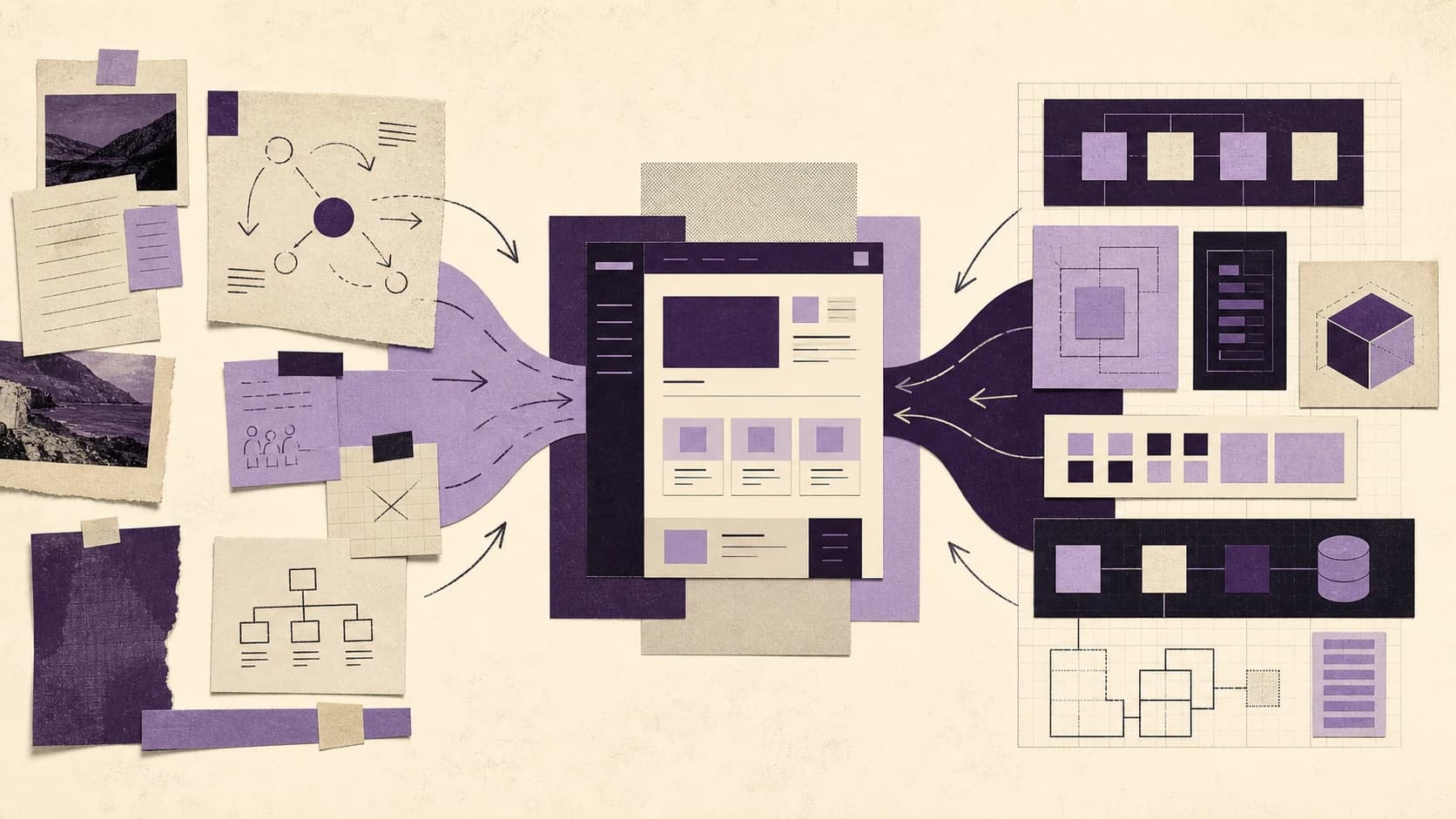
At some point, the provider needs to do more than repeat your notes. They should begin translating the operation into a working product vision.
That might sound like a clear explanation of how an employee moves through the system, where information appears, what happens when something goes wrong, and how one action affects the next person. The explanation should feel recognizable to the owner while also revealing possibilities that were difficult to picture before.
This creative translation is an important part of my work as a founder. I spend a lot of time listening for the structure beneath a messy process, then picturing how the right software could make that process easier to run. Some clients have come to Lawlor Solutions hesitant after disappointing prototype attempts elsewhere. Being able to articulate a product that reflects their actual operation has helped them recognize when the fit is finally there.
You should not need a technical background to understand the vision. If the provider cannot explain the proposed workflow in practical business terms, more discovery is probably needed.
A useful test is to ask yourself whether the conversation has changed your understanding of the problem. The partner does not need to overturn your idea. They should add enough operational and product thinking that the path forward feels sharper than it did before the call.
How soon should a client see working software?
Clients should be able to see tangible progress early and continue seeing it throughout the engagement.
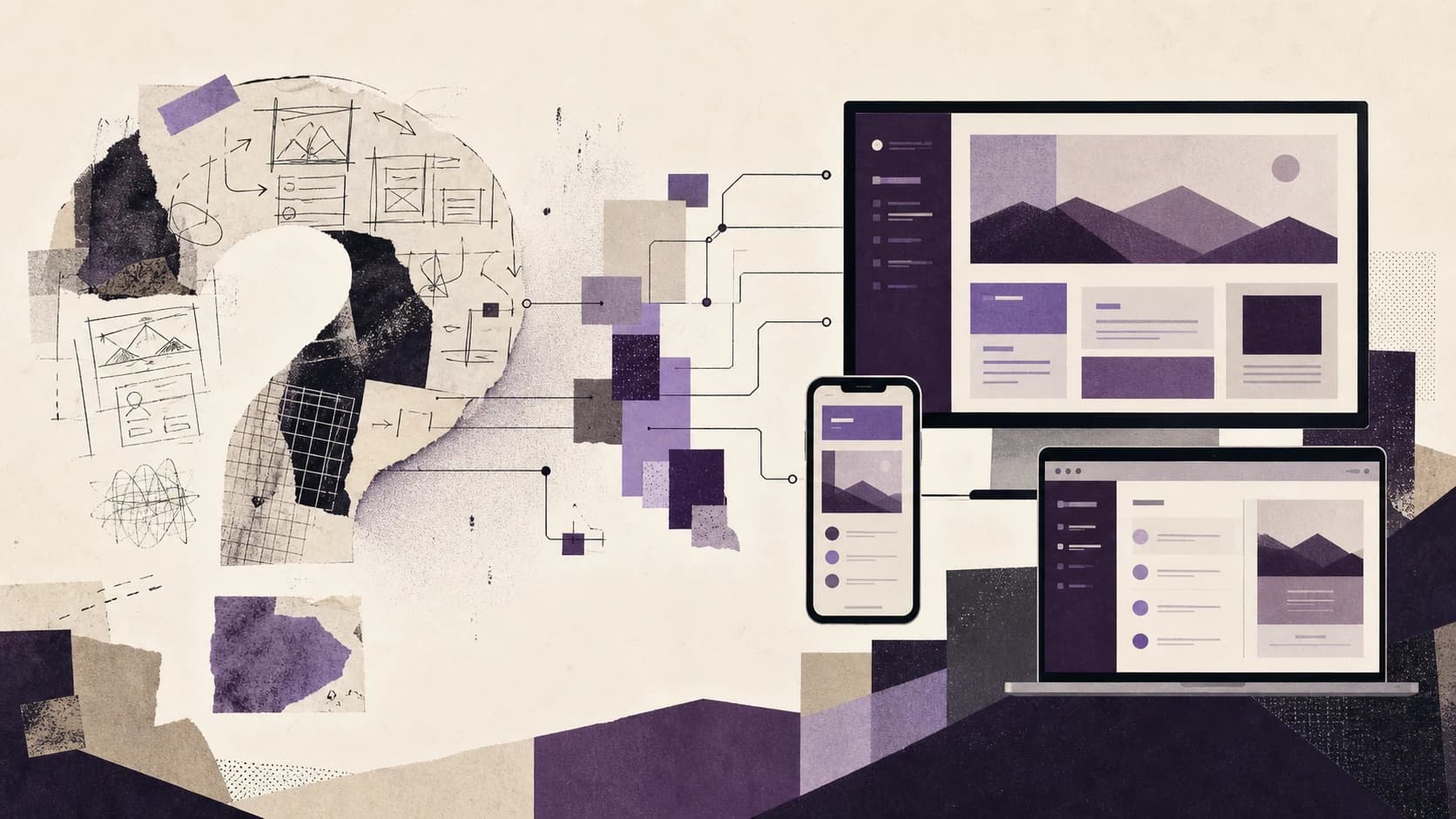
For web applications, Lawlor Solutions provides a shareable, non-public preview link within the first week or as part of the paid prototype stage. The link can be opened at any time. The client can click through the work in progress, revisit it after a meeting, and see the latest version as the product develops.
We may deploy the preview through a preview-hosting service such as Vercel. This simply makes the latest work available outside a presentation or scheduled status call.
This changes the client’s role in a useful way. Instead of hearing that development is moving forward, the client can look at the product and respond to what is actually there. A workflow that seemed right in conversation might need a different order. A label may be technically accurate but unfamiliar to staff. A missing step may become obvious only after someone clicks through the process.
Frequent review gives the team time to correct those issues while they are still small. It also gives the client confidence that the project is moving toward a product they recognize.
What should a software project preview show?
A preview should be an honest window into the current state of the work.
It should let the client move through the parts that exist, see how the experience is taking shape, and understand what has changed since the last review. A simple What’s New view can help by listing recently added work in plain language. This is especially helpful when several parts of the product are developing at once.
Early previews will contain unfinished areas. A button may be visible before it is connected. A flow may stop after the first few steps. Sample data may stand in for a completed integration. These are normal parts of an active build, and the provider should say so clearly.
The preview gives both sides a shared place to evaluate progress before every visible surface is production-complete. Clear communication about what works, what is in progress, and what comes next keeps that window useful.
This openness can feel less polished than holding everything back for a large reveal. In practice, it creates better conversations. The client responds to real work, and the development team gets feedback while there is still room to use it.
How does visible progress reduce project risk?
The worst time to discover that software does not reflect the operation is at the end of a long engagement.
Continuous previews create smaller decision points throughout the build. A client can confirm the direction, flag a misunderstanding, or raise a new operational detail before it spreads through the rest of the product. The provider can explain tradeoffs with the relevant screen or workflow in front of everyone.
The client should not have to manage the development process. A good partner still owns the work, makes recommendations, and keeps the project moving. Visibility gives the client enough access to make informed decisions about the business they know best.
Progress also becomes easier to discuss. “We worked on reporting this week” is vague. A report screen the client can open, paired with a short note about what was added and what remains, gives that update substance.
No preview process can guarantee that every project will be smooth. Software work involves discovery, changing information, and technical constraints. Visible progress makes those realities easier to address before they become expensive surprises.
What should you look for before hiring a software development partner?
Pay attention to observable behavior.
Does the provider ask how the business operates before recommending features? Can they explain a product vision in language your team understands? Will you receive a working preview early? Can you return to it between meetings? Are unfinished parts labeled honestly? Is recent progress easy to identify? When you give feedback, does the next version show that the team understood it?
These signals say more about the future working relationship than a polished sales process alone.
If you are not sure what workflow to prototype first, the free 10% Test helps you map how the work happens today, choose the core workflow, and define the improvement worth measuring before a full build.
If you already have a workflow or product idea and need a serious partner to help shape it, book a discovery call. For teams that want to validate the direction before a full build, Lawlor Solutions also offers a flat-rate $2,500 paid prototype delivered within one week.
The right partner should help you understand the product more clearly as the work moves forward. You should be able to see what is being built, recognize your business in it, and have a real chance to guide the direction before launch.