
Why Business Software Should Evolve as Your Company Grows
Learn why custom business software should change as your company grows, what teams discover after launch, and when ongoing support is worthwhile.
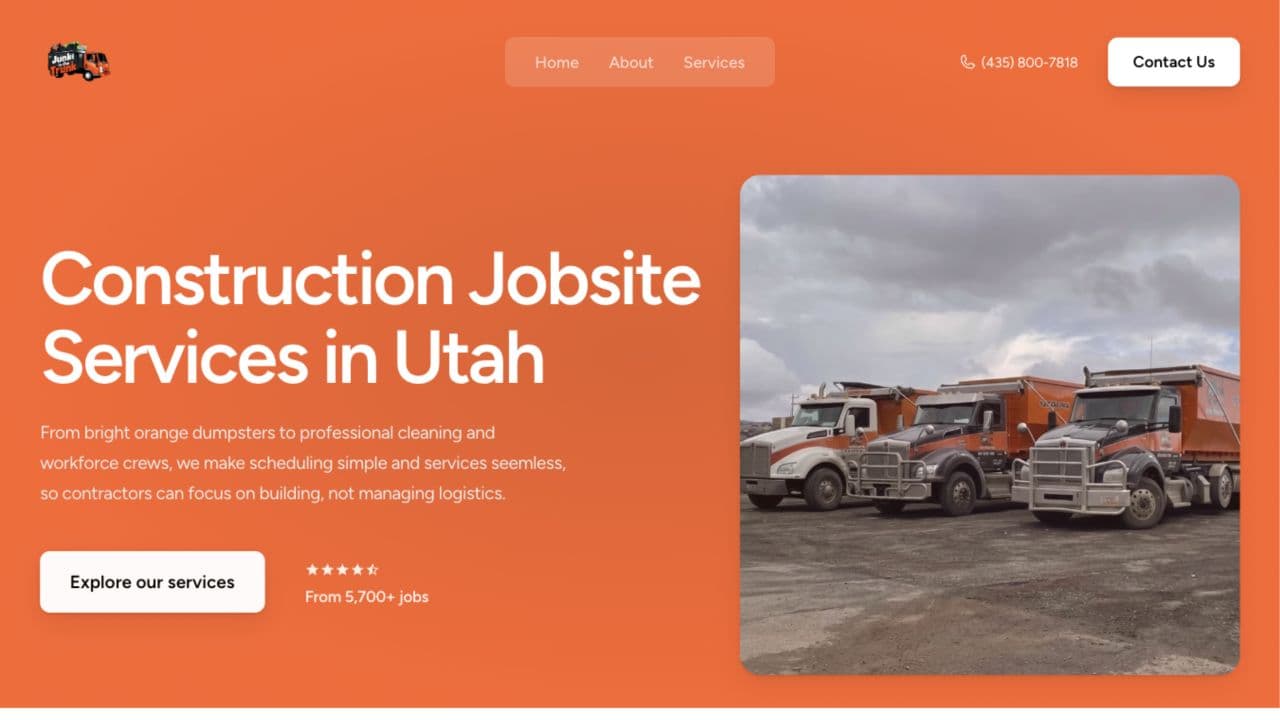
Junk In Our Trunk is a commercial job-site services company supporting large projects including hotels, commercial buildings, arenas, and similar construction environments. Its three-part operating model combines fast roll-off dumpster service, interior and exterior cleaning including windows, and temporary workforce labor that helps job sites expedite work. The company can support a project through several complementary services rather than a single vendor lane.
A custom dispatch and operations platform grew with Junk In Our Trunk across dumpsters, cleaning, and temporary labor, helping the team invoice the same day, avoid a dispatcher hire, and support 400% revenue growth over two years.
Junk In Our Trunk began as a roll-off dumpster service without enough dispatch volume to justify hiring a dispatcher. A project manager would text the owner for a dumpster, the owner would copy the request into an Apple Note, and drivers were directed through calls and texts. The team had no shared, real-time view of how many dumps were needed, where they were needed, or what capacity the day required. The process was slow, difficult to manage, and made it harder to respond consistently.
Lawlor Solutions first built a custom dispatch application that let project managers create accounts and request dumpsters directly for a job site. Drivers received a live queue showing required stops, addresses, and actions, while managers could see the day’s demand and plan capacity before the schedule became a problem.
Over roughly three years, the product evolved alongside the business. When Junk In Our Trunk expanded into interior and exterior cleaning and temporary workforce labor, the operating platform expanded beyond dumpster dispatch so project managers could request any of the company’s three services through the same system.
Managers can assign crews, manage queues, and confirm completed services. Cleaning and temporary workforce employees can see job addresses and scheduled times, then clock in and out. Completed services and labor hours connect to invoicing, while reporting, statements, real-time driver visibility, driver-efficiency reporting, and business analytics grow from the same connected operational data.
The software did not create the company’s growth by itself. It gave the team the operational capacity and shared visibility to handle more work without adding a dedicated dispatcher. Revenue increased 400% over two years, same-day invoicing helped the business get paid faster, and project managers can now request any service in three clicks instead of calling and waiting for a dispatcher.
The operating platform combines mobile, web, cloud, AI, and integration services without exposing sensitive implementation details.
Learn why custom business software should change as your company grows, what teams discover after launch, and when ongoing support is worthwhile.
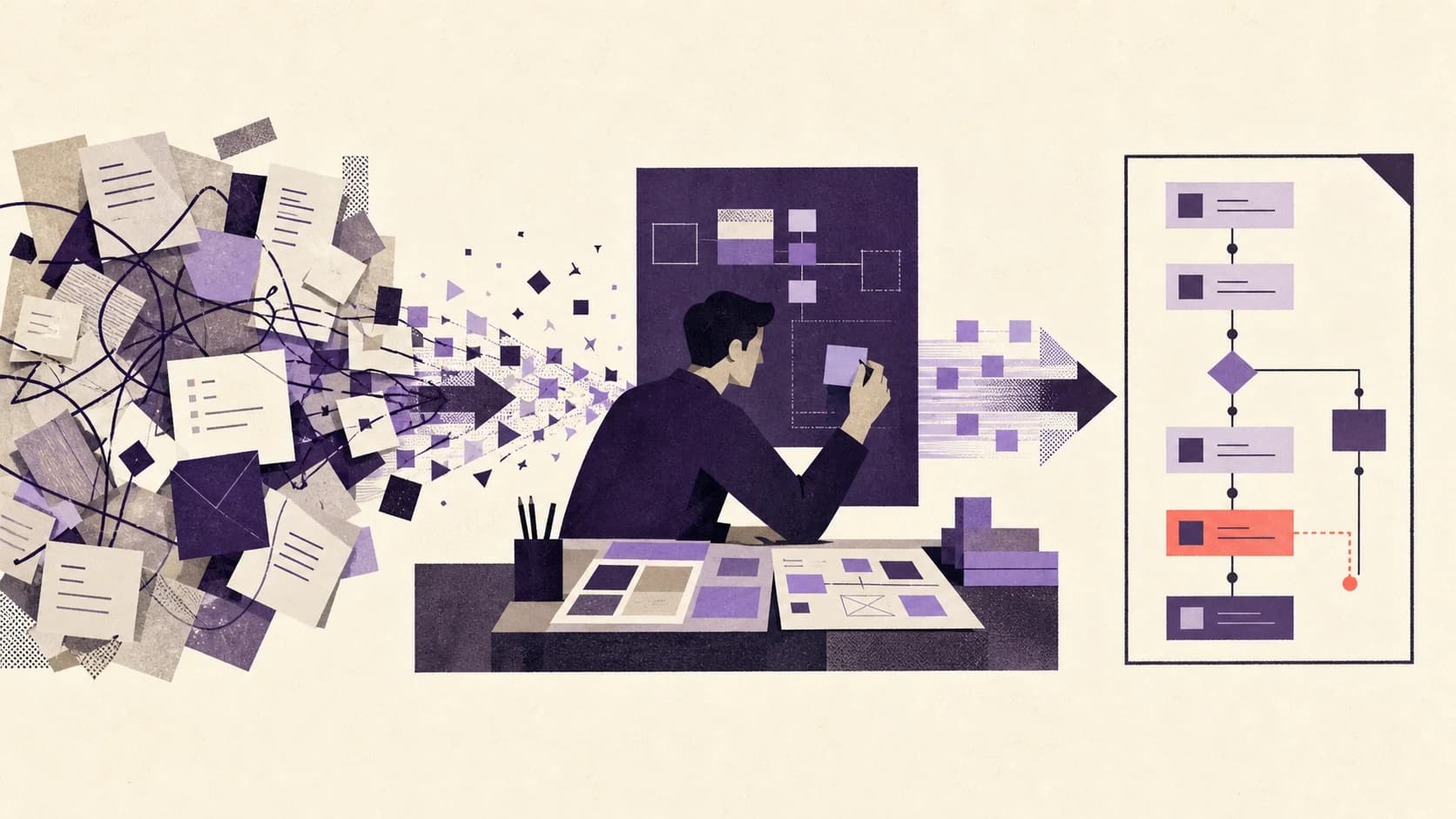
Learn how AI-assisted software prototypes help businesses test a critical workflow quickly, gather evidence, and decide whether a full custom build is worthwhile.
Bring Jake the workflow you want to improve. Together, we'll map how it works, turn the core into a focused prototype, and measure the impact before expanding it into a fixed-price build you own.
DirectWork with Jake
One weekWorking prototype
ClearFixed price before build
OwnedYour code and IP