In brief
Launch gives a business its first complete version of a product. The months and growth stages that follow reveal how that software needs to change.A business does not hold still after its software launches.
Employees find better ways to complete a task. Customers ask for something new. A service that once felt secondary becomes a source of growth. The company enters a new market, adds a team, or reaches a volume that exposes a process nobody worried about two years earlier.
Software sits inside all of those changes. I think of it as a living system because it is connected to the way people work, make decisions, and serve customers. It should be able to evolve with the operation. When the software becomes the reason a company cannot change, it has stopped doing its job.
This does not mean every product needs endless development. Mature software often reaches long stretches of stability. The important thing is having a sensible way to learn after launch, make worthwhile improvements, and respond when the business reaches its next stage.
Why does business software need to change after launch?
The original scope captures what a team understands before people use the complete product in daily work. It can be carefully researched and still miss small details that become obvious only through repetition.
An admin may realize that one extra filter would save several steps every morning. A frontline employee may discover that two actions happen in the opposite order from what everyone expected. A manager may see an opportunity to collect one additional piece of information that makes reporting far more useful.
None of these discoveries necessarily mean the original product was poorly planned. They are a natural result of putting software into a real operation.
Many project agreements include a short warranty period for bugs, followed by the final payment and closeout. That structure can work for a stable, well-defined product. Business owners often find, however, that their most useful ideas emerge after launch. A bug warranty addresses something that is broken. It generally does not provide a practical path for improving a workflow that the team has now learned to understand more deeply.
The question after launch is whether the software can absorb those lessons without turning every improvement into a new procurement exercise.
What happens during the first three to six months of using new software?
The first three to six months are typically a dense learning period.
Frontline employees and admins spend enough time in the product to get beyond first impressions. Patterns start to form. People can distinguish a one-time adjustment from a repeated frustration, and they begin to see opportunities that were hard to predict during planning.
Some of the best early improvements are modest. A default value changes. A report gains a useful column. A common action moves closer to where the employee needs it. Other discoveries may point toward a substantial feature, such as connecting a separate system or adding a new service workflow.
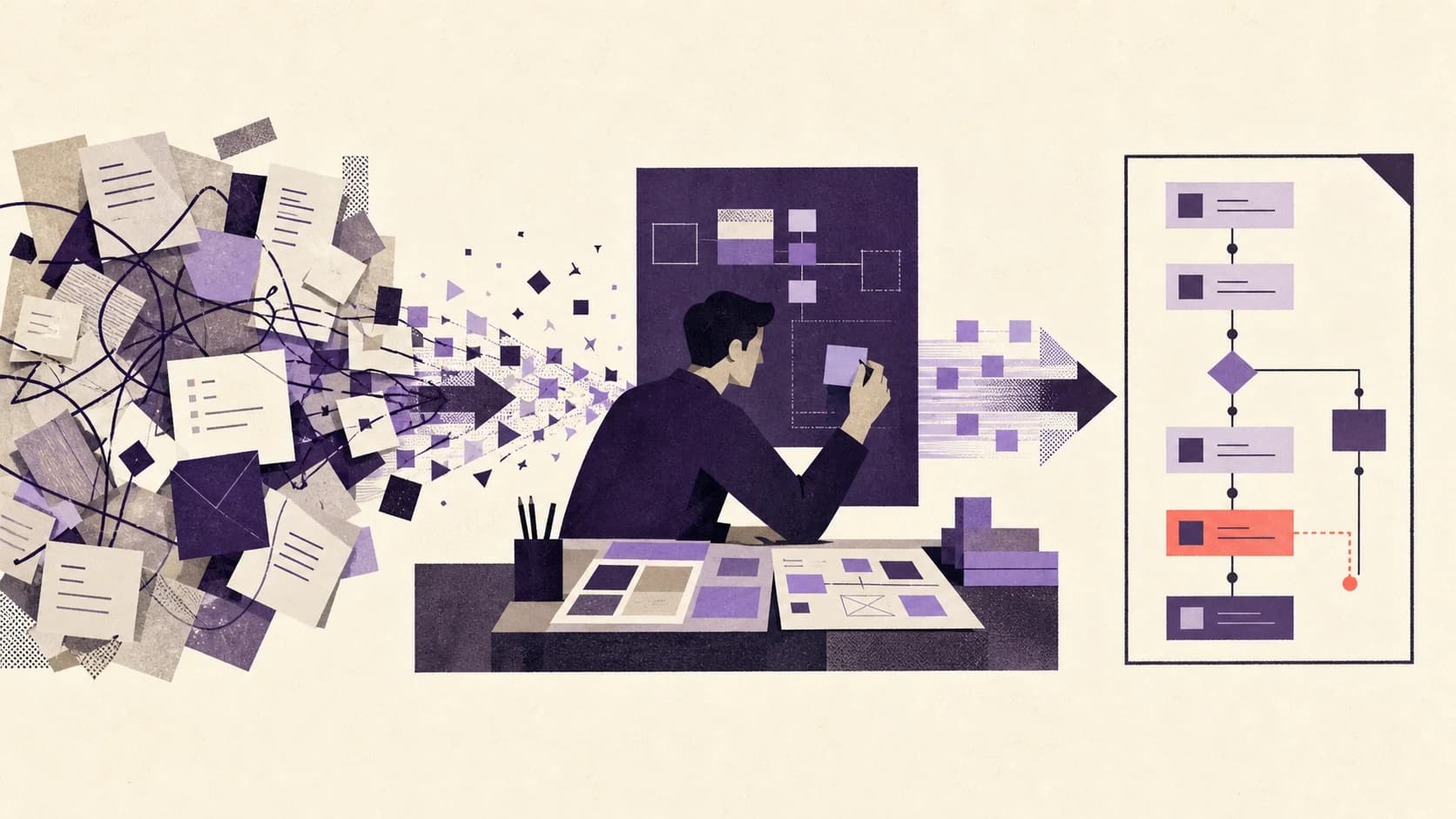
This period benefits from a simple way to capture, prioritize, and build what the team is learning. If every request requires a separate proposal and negotiation, small high-value improvements may sit untouched because the administrative effort feels larger than the work itself.
As the product matures, the pace usually slows. The frequent early adjustments settle down, employees become comfortable with the system, and the software reaches a more stable rhythm. That slowdown is healthy. It is evidence that the product is becoming established inside the business.
How often should business software be updated?
There is no useful universal schedule. The right cadence depends on what the business is learning and the value of the proposed work.
During the early months, a steady stream of small updates may make sense. The team is refining daily use, and each improvement can inform the next. Once the product stabilizes, releases may become occasional. A company should not pay for constant activity simply to say its software is under active development.
Growth tends to arrive in steps rather than a smooth line. A company may operate comfortably for a year, then add a service, enter a new market, acquire another operation, or change how work is sold and delivered. These step-growth moments often create a focused new period of software evolution.
The product does not need to be rebuilt each time the business changes. A sound foundation should make it possible to extend workflows, connect new information, and support the next operating model with deliberate work.
That is where the living-system idea becomes useful. A healthy system can be quiet when the business is steady and responsive when the business changes.
What does ongoing custom software support cost?
At Lawlor Solutions, a completed software project is a one-time purchase. The client owns that completed engagement without being required to continue on a monthly plan.
Clients who want ongoing development can choose a flat-rate monthly technical-partner plan. These plans generally range from $2,000 to $5,000 per month, depending on the level of work the business needs.
The plan covers fixes and a flexible cadence of feature development. In one period, that may involve several small workflow improvements. In another, the work may concentrate on a more substantial feature. The scope still needs priorities, practical boundaries, and clear communication. The benefit is that the client does not have to renegotiate every individual change while the product is in an active stage of learning or growth.
This model works best when there is enough valuable work to justify the monthly cost. It gives the development team continuity and gives the client a reliable way to move from observation to improvement.
When should a monthly software support plan end?
A technical-partner plan should earn its cost.
When a product has stabilized and the client only needs occasional work, we recommend moving away from monthly support. At that point, one-off, feature-by-feature work is often a better fit. The business can request a defined improvement when it needs one without carrying an ongoing monthly expense.
If the company later reaches another growth stage, it can return to a focused partner period. A new service, integration, team structure, or market may create several months of connected work that benefit from a continuous cadence. Once that stage settles, the arrangement can change again.
This approach follows the product’s actual needs. The goal is a useful long-term relationship, not an indefinite retainer that continues after the work has slowed.
What does software evolution look like in a growing business?
One construction-services organization began with an all-in-one application focused on roll-off dumpsters.
As the company grew, it added interior and exterior cleaning along with temporary workforce services. One service could become the entry point to a larger commercial relationship, and the others could be added as the customer’s needs expanded. The application evolved alongside this three-service model so the operation could manage the connected work in one place.
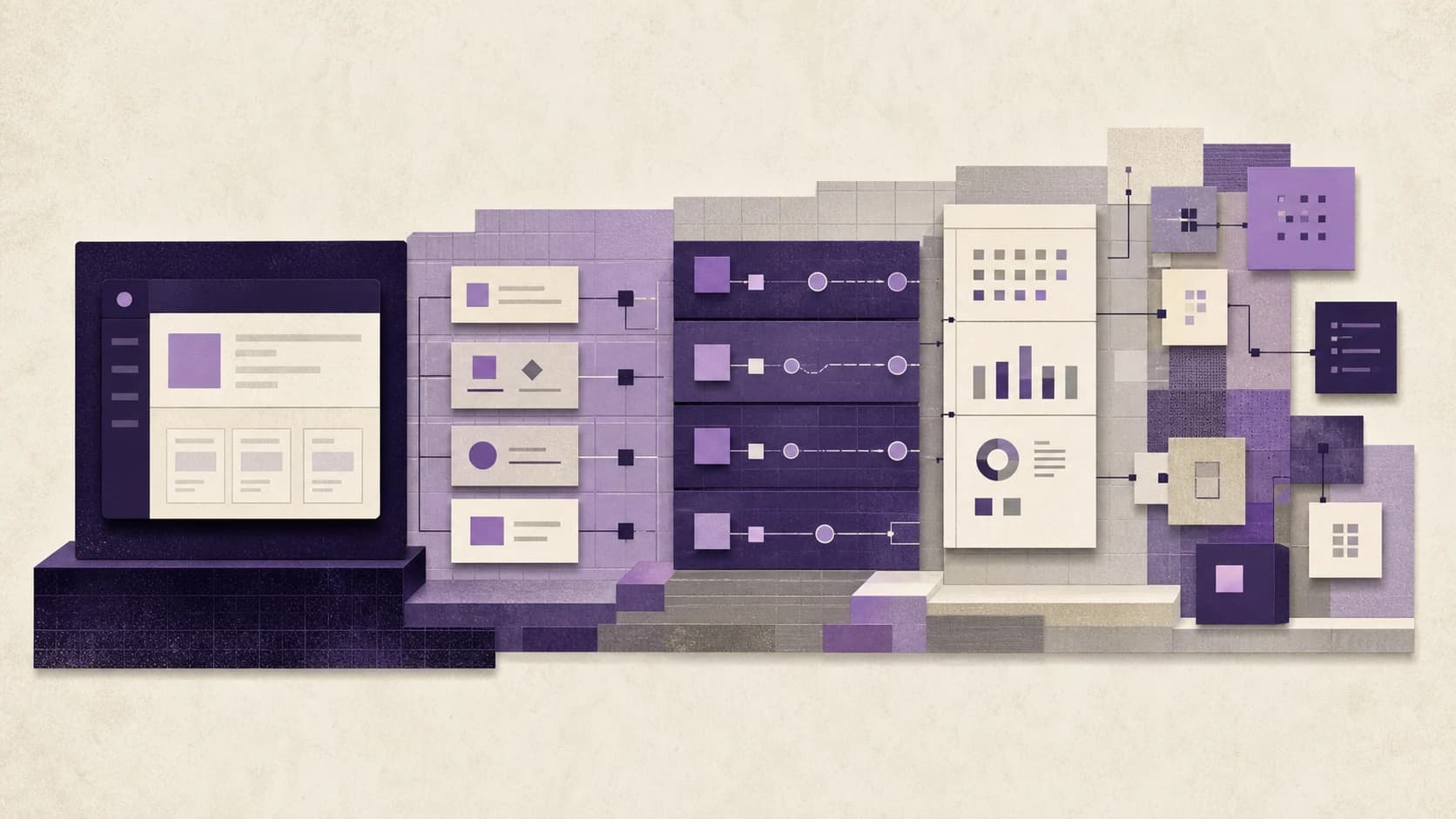
Later, the company replaced a separate jobs and invoicing service with custom invoicing inside its own application. Services, employee time punching, invoices, and operational data became part of the same system.
That connected information created room for capabilities that would have been difficult to build from isolated tools. The business could develop sales reporting, forecasts, broader business analytics, and driver-efficiency reporting using data tied to the actual operation.
The original dumpster application did not need to anticipate every detail of the company’s future on day one. It needed a foundation that could accept the next service, the next operational connection, and the next useful question as the business grew.
How can software analytics reveal the next business bottleneck?
Connected operational data can make problems easier to locate.
A company may suspect that a service is less profitable than expected, that drivers are spending too much time between jobs, or that one stage of the sales process is slowing growth. Reporting can help the team compare activity across services, time periods, employees, or job types and decide where closer attention is warranted.
Analytics are diagnostic decision support. They can reveal patterns, surface constraints, and give leaders better questions to ask. They do not guarantee that a forecast will be correct or that a recommended expansion will succeed.
Used carefully, these tools help a business choose its next software investment based on observed operations. A team can address the bottleneck that is actually limiting progress instead of adding features because they sound useful.
This is another reason ongoing evolution should be selective. The software may reveal that the next important improvement is a new workflow. It may also show that the constraint sits elsewhere in the business and does not require more code.
Is your current software helping the business reach its next stage?
Launch is an important milestone, but it is not the last word on what a product should become.
Look at the software your team relies on today. Does it reflect how the business currently works? Can it support the service, market, or team you expect to add next? Are employees creating workarounds because the system cannot adapt? Has a reporting gap made it difficult to see where growth is getting stuck?
Software should give a business room to move. It should never quietly become the bottleneck that makes a valuable change feel impossible.
If you are not sure what workflow to prototype first, the free 10% Test helps you map how the work happens today, choose the core workflow, and define the improvement worth measuring before a full build.
Your business will keep changing after launch. The software should be ready to change when the next stage is worth pursuing.