Custom Web Applications
Responsive browser-based products for customers, staff, members, partners, or specialized business workflows.
Turn a clear product idea or important user workflow into one focused experience people can use, measure, and help shape before you fund the full product.
10+ yearsbuilding software
60+ projectsdelivered
Utahfounded & headquartered
5.0 / 5stars on Google
Trusted by businesses like
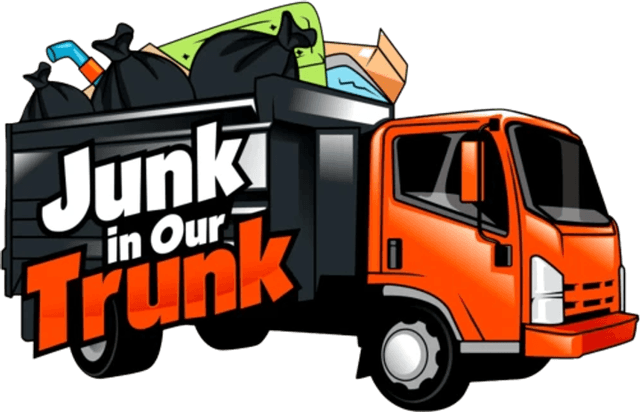

The right product may be browser-based, mobile-first, or shared across devices. We choose the delivery path around the users, workflow, and ownership plan.
Responsive browser-based products for customers, staff, members, partners, or specialized business workflows.
Mobile experiences designed around the work users need to complete on the devices they already carry.
Shared product experiences across web, iOS, and Android when one coherent system is the responsible delivery choice.
Account, purchase, scheduling, communication, progress, and self-service experiences built around a specific user problem.
Authentication, data, business rules, notifications, integrations, and APIs needed to support the visible product experience.
Internal software for managing users, content, exceptions, support work, and the operational side of the product.
A good starting point is evidence: a real user, a painful problem, a buyer or business owner, and a reason existing products fall short.
Founders and operators who understand the user, the current alternative, and the result a first prototype should create, even if the full product is not yet defined.
Teams that need customers, patients, members, partners, or field staff to complete an important process through web or mobile software.
Platform and feature decisions follow the real user experience, not a predetermined house stack.
Understand the user, the job they need to complete, the current alternative, the device context, and the result that would make the experience useful.
Build the smallest complete experience first so users and decision-makers can use it and react to it in one week.
Observe whether people understand the experience, complete the core job, and find enough value to justify expanding it.
Use what real use revealed to define the responsible web, mobile, backend, and integration path for the owned production product.
A polished interface is only one part of a dependable product. The build also needs clear ownership, maintainable foundations, and an operating path after launch.
The first week focuses on the most important user path so the team can correct the product before production engineering multiplies the cost.
Web, native, cross-platform, backend, and hosting decisions follow user needs, performance, integrations, and the team that will own the software.
Release responsibilities, vendor accounts, documentation, monitoring expectations, and 30 days of launch support are defined before handoff.
From operation map to owned software
One weekfirst working prototype
$2,500flat-rate prototype
8–16 weekstypical approved build
30 dayspost-launch support
Map how the work happens with Jake, choose one workflow to prototype, and define the improvement your team will measure before anything expands.
Book a Discovery CallReal engagements connecting staff, patients, managers, and field workflows through owned software.
The answer depends on where the workflow happens, device capabilities, offline needs, distribution, performance, and the team that will own the product. We use the prototype to validate the experience before locking the production approach.
Yes, when both platforms are justified by the users and product plan. The responsible choice may be cross-platform, native, or a responsive web product, and that decision is made from the workload rather than a fixed house stack.
The first working product prototype is delivered in one week. Most approved production builds take 8–16 weeks, with the actual schedule based on the locked workflow, platforms, integrations, data, and release requirements.
Yes, when the product requires authentication, data, business rules, APIs, notifications, payments, or supported third-party integrations. Those responsibilities are included in the written build scope.
Yes, when there is a clear product outcome and the existing code, accounts, data, and release path can be responsibly assessed. A focused prototype or technical discovery may be recommended before committing to changes.
Once paid, the client owns the custom code and deliverables, subject to third-party licenses. Store accounts, hosting accounts, vendor services, and ongoing support responsibilities are documented for handoff.